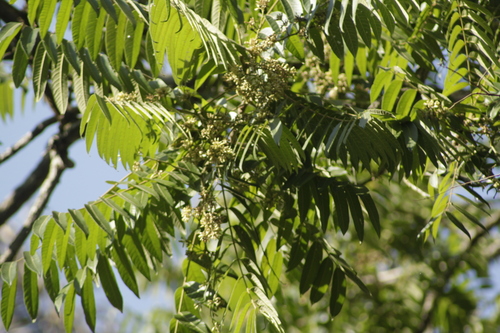
Cedrela fissilis
Argentine cedar · also Cedro batata, Cedro blanco, Acaju-catinga
Report an issue with this species
Cedrela fissilis is known for its tall, straight trunk and broad, spreading canopy, providing ample shade with its large, compound leaves. It produces small, fragrant flowers that attract pollinators. This durable and adaptable tree thrives in sunny locations and well-drained soils, making it a popular choice for urban landscapes, and its wood is valued for furniture-making.
Where it grows
Trees in each city's inventory, with the share of that city's named trees this species accounts for.
- 680.02%—15 in
- 30.00%—3.0 in
No city in this list records planting dates for this species, so age is blank throughout.
Traits
- Form
- Spreading
- Foliage
- Deciduous
- Mature height
- 25–50 ft
- Canopy spread
- 50 ft
- Growth rate
- Fast
- Wildlife value
- Moderate
- Blooms
- Mar, Apr, May
Trunk diameters across every city: median 15 in, mean 15 in, 90th percentile 23 in. Measured at breast height, as published by each inventory.
Native range
Terrestrial ecoregions where this species is native. Trees in the dataset mostly stand well outside it.
Tropical & Subtropical Moist Broadleaf Forests
- Central American Atlantic moist forests
- Central American montane forests
- Cordillera La Costa montane forests
- Costa Rican seasonal moist forests
- Northeast Brazil restingas
- Trinidad and Tobago moist forest
- Western Ecuador moist forests
Tropical & Subtropical Dry Broadleaf Forests
- Central American dry forests
- Trinidad and Tobago dry forest
Other Cedrela in the catalogue
2 of the top 2,000 species are in this genus.