Lysiloma
Quebracho · also Palo blanco, False tamarind, Wild tamarind
Report an issue with this species
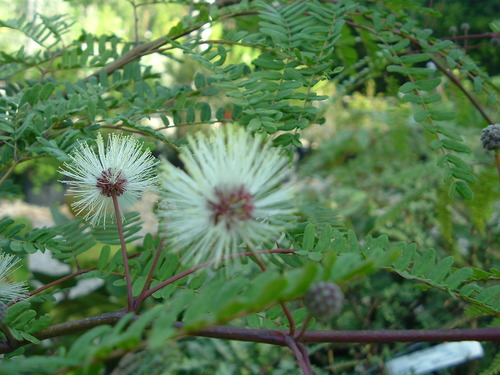
Lysiloma species are small to medium-sized trees native to the Americas, characterized by their spreading crowns and often deciduous, feathery foliage. They are highly adaptable, thriving in environments from arid shrublands and mixed pine forests to coastal moist forests, demonstrating excellent drought tolerance and requiring low water. These trees are valued in urban settings for their attractive appearance, ecological adaptability, and ability to attract wildlife such as butterflies and birds.
Where it grows
Trees in each city's inventory, with the share of that city's named trees this species accounts for.
- 600.23%—6.0 in
No city in this list records planting dates for this species, so age is blank throughout.
Traits
- Form
- Spreading
- Foliage
- Deciduous
- Mature height
- 13.1–65.6 ft
- Canopy spread
- 10–15 ft
- Soil
- Volcanic, Sandy, Clay, Limestone
- Water needs
- Low
- Drought tolerance
- High
- Wildlife value
- Moderate
- Tolerates
- coastal, salt
- Blooms
- Mar, Apr, May
Trunk diameters across every city: median 6.0 in, mean 7.6 in, 90th percentile 15 in. Measured at breast height, as published by each inventory.
Native range
Terrestrial ecoregions where this species is native. Trees in the dataset mostly stand well outside it.
Tropical & Subtropical Moist Broadleaf Forests
- Central American Atlantic moist forests
- Central American montane forests
- Costa Rican seasonal moist forests
Deserts & Xeric Shrublands
- Central Mexican matorral
Tropical & Subtropical Dry Broadleaf Forests
- Central American dry forests
Tropical & Subtropical Coniferous Forests
- Central American pine-oak forests
Other Lysiloma in the catalogue
2 of the top 2,000 species are in this genus.
