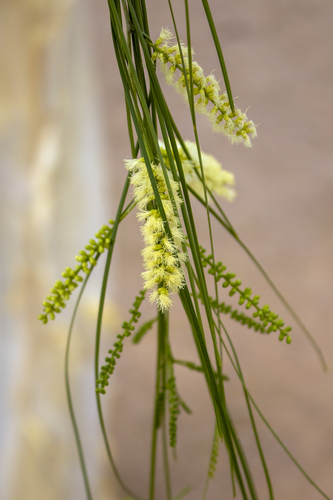
Mariosousa willardiana
Palo blanco · also Palo liso, Guinola, Willard acacia
Report an issue with this species
This tree features a striking umbrella-like canopy with feathery, fern-like leaves, providing dappled shade. Its small, creamy white flowers attract pollinators, adding elegance to urban landscapes. Adaptable to various soil types and thriving in sunny locations, its moderate size makes it suitable for both small gardens and larger public spaces.
Where it grows
Trees in each city's inventory, with the share of that city's named trees this species accounts for.
- 510.19%—3.0 in
No city in this list records planting dates for this species, so age is blank throughout.
Traits
- Form
- Spreading
- Foliage
- Evergreen
- Mature height
- 10–20 ft
- Canopy spread
- 12–15 ft
- Sun
- Full sun
- Water needs
- Low
- Drought tolerance
- High
- Wildlife value
- Moderate
- Blooms
- Mar, Apr, May, Jun, Jul, Aug
Trunk diameters across every city: median 3.0 in, mean 4.9 in, 90th percentile 10 in. Measured at breast height, as published by each inventory.
Native range
Terrestrial ecoregions where this species is native. Trees in the dataset mostly stand well outside it.
Deserts & Xeric Shrublands
- Sonoran desert