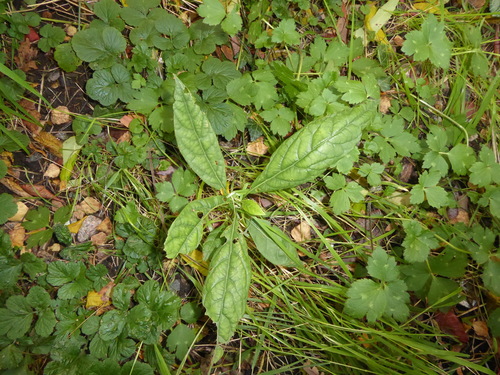
Persea americana
Avocado · also Alligator pear, Avocado pear, Pear tree
Report an issue with this species
The Avocado (Persea americana) is an evergreen tree native to Mexico and Central America, valued for its large, oily fruit. It forms a rounded, spreading canopy and requires loose, well-drained soils, being intolerant of drought and frost. Its leaves and fruit parts are toxic to many animals.
Where it grows
Trees in each city's inventory, with the share of that city's named trees this species accounts for.
- 2,7370.19%——
- 1,9400.56%—5.9 in
- 8620.18%35 yr7.5 in
- 1200.07%—3.9 in
- 740.06%—6.5 in
- 20.00%—1.0 in
Traits
- Form
- Spreading
- Foliage
- Evergreen
- Mature height
- 30–40 ft
- Canopy spread
- 25–35 ft
- Lifespan
- 50 years
- Growth rate
- Fast
- Soil
- Well-drained, Loose
- Water needs
- Moderate
- Drought tolerance
- Low
- Wildlife value
- Low
- Blooms
- Jan, Feb, Mar, Apr, May, Dec
Trunk diameters across every city: median 7.1 in, mean 7.8 in, 90th percentile 18 in. Measured at breast height, as published by each inventory.
Native range
Terrestrial ecoregions where this species is native. Trees in the dataset mostly stand well outside it.
Tropical & Subtropical Moist Broadleaf Forests
- Cayos Miskitos-San Andrés and Providencia moist forests
- Central American Atlantic moist forests
- Central American montane forests
Tropical & Subtropical Dry Broadleaf Forests
- Central American dry forests
Tropical & Subtropical Coniferous Forests
- Central American pine-oak forests
Other Persea in the catalogue
3 of the top 2,000 species are in this genus.

