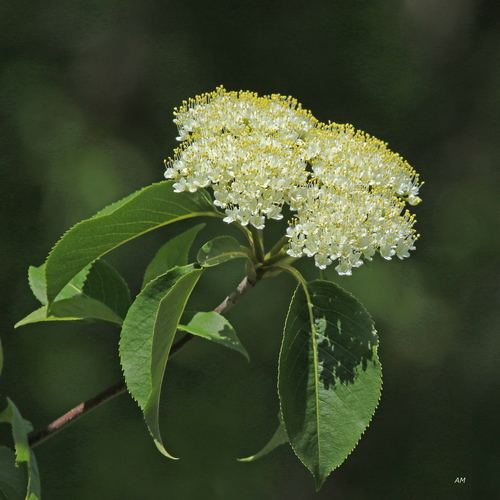
Viburnum lentago
Nannyberry · also Sheepberry, Sweet viburnum, Black haw
Report an issue with this species
Viburnum lentago is a large deciduous shrub with elliptic leaves, creamy white flowers, and small drupes. Native to eastern and central North America, it thrives in woodland areas and along stream banks. This species is cold hardy, moderately drought-tolerant, and adaptable to neutral soils in full sun to partial shade, making it suitable for various urban landscapes.
Where it grows
Trees in each city's inventory, with the share of that city's named trees this species accounts for.
- 4640.14%3.9 yr2.0 in
- 2230.48%—0.8 in
- 390.03%2.9 yr2.0 in
- 270.01%2.3 yr1.2 in
- 150.01%—2.4 in
- 130.01%—2.4 in
- 90.01%1.8 yr2.4 in
- 80.01%23 yr4.7 in
- 50.00%—3.0 in
- 40.03%—2.0 in
Traits
- Foliage
- Deciduous
- Mature height
- 12–20 ft
- Canopy spread
- 15–20 ft
- Sun
- Full sun, Part shade
- Soil
- Neutral
- Water needs
- Moderate
- Drought tolerance
- Moderate
- Wildlife value
- High
- Blooms
- Mar, Apr, May
Trunk diameters across every city: median 1.6 in, mean 1.6 in, 90th percentile 2.4 in. Measured at breast height, as published by each inventory.
Native range
Terrestrial ecoregions where this species is native. Trees in the dataset mostly stand well outside it.
Temperate Broadleaf & Mixed Forests
- New England-Acadian forests
Other Viburnum in the catalogue
19 of the top 2,000 species are in this genus.


