Abies
Fir · also Firs, Silver fir, European silver fir
Report an issue with this species
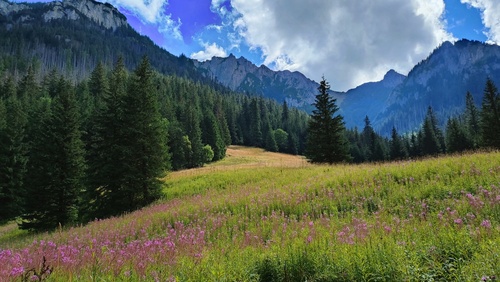
Firs are evergreen coniferous trees with needle-like leaves attached singly and upright cones that disintegrate at maturity. Abies alba forms a pyramidal shape, maturing to flat-topped, with dark green needles and bronze-green cones. This long-lived species is tolerant of shade and acidic soils but sensitive to frost, wind, and air pollution, best suited for open spaces.
Where it grows
Trees in each city's inventory, with the share of that city's named trees this species accounts for.
- 5930.09%—6.5 in
- 1900.26%—16 in
- 1880.25%—9.1 in
- 1280.54%—7.1 in
- 1150.01%—1.9 in
- 830.03%—4.7 in
- 760.02%—7.1 in
- 690.02%28 yr10 in
- 570.01%—2.0 in
- 530.06%—7.9 in
- 450.03%—12 in
- 340.08%—2.4 in
- 190.01%—9.8 in
- 190.03%—4.7 in
- 160.01%—7.8 in
- 60.00%93 yr11 in
- 60.01%—22 in
- 50.03%—5.9 in
- 50.01%——
- 30.00%—27 in
- 10.00%—21 in
Traits
- Form
- Conifer
- Foliage
- Evergreen
- Mature height
- 50–100 ft
- Canopy spread
- 11–20 ft
- Growth rate
- Moderate
- Sun
- Part shade, Full shade
- Soil
- Acidic
- Water needs
- High
- Pollution tolerance
- Low
- Wildlife value
- Moderate
- Blooms
- Mar, Apr, May
Trunk diameters across every city: median 7.1 in, mean 8.9 in, 90th percentile 17 in. Measured at breast height, as published by each inventory.
Native range
Terrestrial ecoregions where this species is native. Trees in the dataset mostly stand well outside it.
Temperate Broadleaf & Mixed Forests
- Balkan mixed forests
- Baltic mixed forests
- Central European mixed forests
- East European forest steppe
- European Atlantic mixed forests
- Western European broadleaf forests
Other Abies in the catalogue
20 of the top 2,000 species are in this genus.


