#1843 most planted
Ceiba
Ceiba · also Kapok tree, Silk-cotton tree, White floss silk tree
Spreading
16
trees mapped
0.00%
of all named trees
2
cities
12 yr
median age (31% have a planting date)
Report an issue with this species
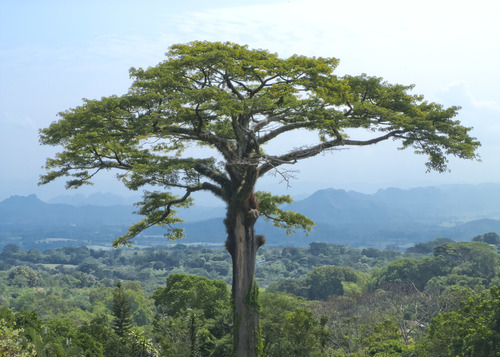
The genus Ceiba encompasses large tropical trees native to the Americas and West Africa, characterized by massive, often buttressed and spiny trunks, and a broad, spreading canopy. Many species are valued for producing silk-floss from their fruits. They thrive in warm, humid climates with well-drained soil and are often considered keystone species in their lowland tropical habitats.
Where it grows
Trees in each city's inventory, with the share of that city's named trees this species accounts for.
- 110.00%——
- 50.00%12 yr—
Traits
- Form
- Spreading
- Mature height
- 75–230 ft
- Canopy spread
- 35–75 ft
- Soil
- Well-drained
- Drought tolerance
- High
- Roots
- Invasive
- Wildlife value
- High
Native range
Terrestrial ecoregions where this species is native. Trees in the dataset mostly stand well outside it.
Tropical & Subtropical Moist Broadleaf Forests
- Western Guinean lowland forests
- Central American Atlantic moist forests
- Leeward Islands moist forests
- Northeast Brazil restingas
- Western Ecuador moist forests
Tropical & Subtropical Dry Broadleaf Forests
- Central American dry forests
Other Ceiba in the catalogue
3 of the top 2,000 species are in this genus.

