Juglans cinerea
Butternut · also White walnut, Nogal blanco
Report an issue with this species
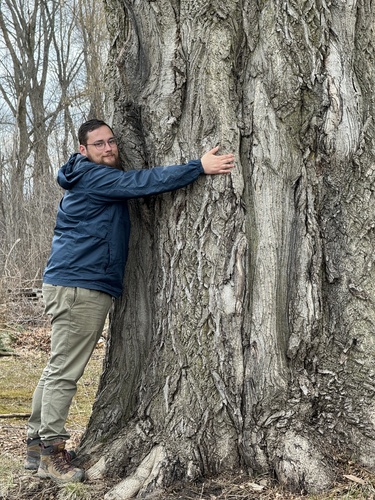
Juglans cinerea, commonly known as butternut or white walnut, is a large deciduous tree native to the eastern United States and southeast Canada. This hardy species produces edible nuts, but also produces juglone, an organic compound that can inhibit the growth of nearby plants. The species is currently considered endangered due to overharvesting, limited geographic range, and widespread damage from fungal canker disease.
Where it grows
Trees in each city's inventory, with the share of that city's named trees this species accounts for.
- 5760.08%—13 in
- 5080.15%14 yr4.7 in
- 3370.10%—7.1 in
- 1730.21%—5.5 in
- 1540.10%5.3 yr9.4 in
- 1310.04%—2.4 in
- 750.10%—17 in
- 420.02%—20 in
- 410.09%—3.5 in
- 380.08%—2.4 in
- 360.01%—13 in
- 270.04%11 yr4.7 in
- 220.05%3.8 yr1.8 in
- 200.00%2.3 yr2.4 in
- 140.02%6.8 yr2.0 in
- 130.11%4.3 yr1.2 in
- 100.00%—3.0 in
- 100.00%—3.7 in
- 40.03%—18 in
- 30.00%—18 in
- 20.00%——
- 20.00%——
Traits
- Foliage
- Deciduous
- Mature height
- 50–80 ft
- Canopy spread
- 70 ft
- Water needs
- Moderate
- Wildlife value
- High
- Blooms
- Mar, Apr, May
Trunk diameters across every city: median 7.5 in, mean 9.7 in, 90th percentile 22 in. Measured at breast height, as published by each inventory.
Native range
Terrestrial ecoregions where this species is native. Trees in the dataset mostly stand well outside it.
Temperate Broadleaf & Mixed Forests
- Mississippi lowland forests
- New England-Acadian forests
Other Juglans in the catalogue
12 of the top 2,000 species are in this genus.


