#268 most planted
Maackia amurensis
Amur maackia · also Maackia
BroadleafDeciduous
5,569
trees mapped
0.05%
of all named trees
22
cities
3.0 in
median trunk (8 cm, 5,489 measured)
4.8 yr
median age (43% have a planting date)
Report an issue with this species
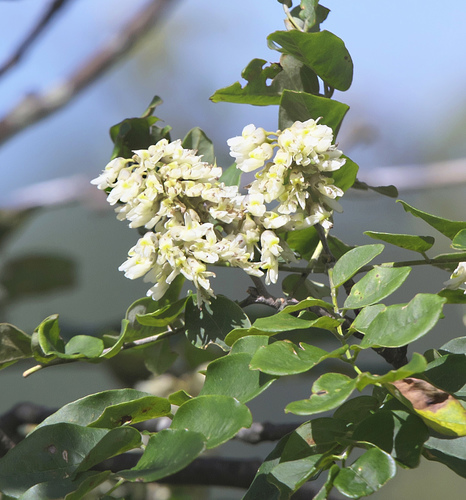
Maackia amurensis is a deciduous tree with distinctive coppery-bronze peeling bark and olive green pinnately-compound leaves. It produces fragrant spikes of flowers in mid-summer. Tolerant to severe dryness, cold, heavy soils, and urban environments, this easy-to-maintain species is suitable for various urban planting conditions.
Where it grows
Trees in each city's inventory, with the share of that city's named trees this species accounts for.
- 2,4670.34%—6.0 in
- 1,2370.37%4.5 yr2.0 in
- 4000.12%4.0 yr2.0 in
- 2990.19%4.3 yr2.0 in
- 2300.05%4.4 yr2.4 in
- 1790.15%5.9 yr4.4 in
- 1680.06%—3.0 in
- 1401.2%5.8 yr2.0 in
- 890.04%—4.6 in
- 880.12%5.8 yr2.0 in
- 830.01%—2.4 in
- 570.03%—3.0 in
- 350.01%—2.0 in
- 290.18%26 yr9.4 in
- 180.01%12 yr3.3 in
- 170.05%—1.6 in
- 110.02%—2.8 in
- 100.00%—2.4 in
- 60.01%16 yr5.9 in
- 40.00%—2.7 in
- 10.00%—16 in
- 10.00%—1.6 in
Traits
- Form
- Broadleaf
- Foliage
- Deciduous
- Mature height
- 20–40 ft
- Canopy spread
- 15–25 ft
- Growth rate
- Moderate
- Soil
- Heavy soils
- Water needs
- Moderate
- Drought tolerance
- High
- Pollution tolerance
- High
- Wildlife value
- Moderate
- Blooms
- Jul
Trunk diameters across every city: median 3.0 in, mean 4.6 in, 90th percentile 9.0 in. Measured at breast height, as published by each inventory.
Native range
Terrestrial ecoregions where this species is native. Trees in the dataset mostly stand well outside it.
Temperate Broadleaf & Mixed Forests
- Central Korean deciduous forests
- Northeast China Plain deciduous forests
Flooded Grasslands & Savannas
- Amur meadow steppe