Populus candicans
Balm of Gilead · also Balsam poplar
Report an issue with this species
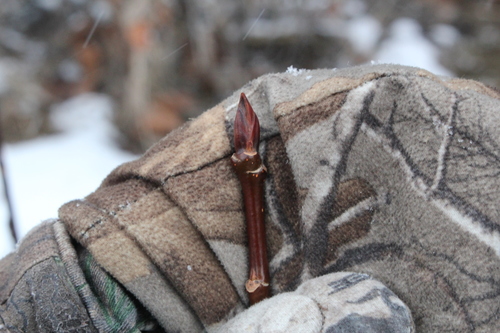
Populus candicans, a type of balsam poplar, is a large deciduous tree known for the pleasant balsam scent of its opening buds and leaves in spring. It can grow 30–60 m tall and has leaves with a rounded base, pointed apex, and a whitish waxy coating on the underside. This light-demanding species requires considerable moisture and is tolerant of very cold conditions, found in northern North America and the Russian Far East.
Where it grows
Trees in each city's inventory, with the share of that city's named trees this species accounts for.
- 540.01%—6.6 in
No city in this list records planting dates for this species, so age is blank throughout.
Traits
- Form
- Broadleaf
- Foliage
- Deciduous
- Mature height
- 98.4–196.9 ft
- Sun
- Full sun
- Water needs
- High
- Blooms
- Mar, Apr, May
Trunk diameters across every city: median 6.6 in, mean 6.8 in, 90th percentile 10 in. Measured at breast height, as published by each inventory.
Native range
Terrestrial ecoregions where this species is native. Trees in the dataset mostly stand well outside it.
Temperate Conifer Forests
- Alberta-British Columbia foothills forests
- British Columbia coastal conifer forests
- Central British Columbia Mountain forests
- Colorado Rockies forests
- Northern Pacific Alaskan coastal forests
- Northern Rockies conifer forests
Tundra
- Alaska-St. Elias Range tundra
- Brooks-British Range tundra
Temperate Broadleaf & Mixed Forests
- New England-Acadian forests
Temperate Grasslands, Savannas & Shrublands
- Montana Valley and Foothill grasslands
Other Populus in the catalogue
28 of the top 2,000 species are in this genus.


