Tecoma
Yellow bells · also Yellow elder, Trumpetbush, Ginger Thomas
Report an issue with this species
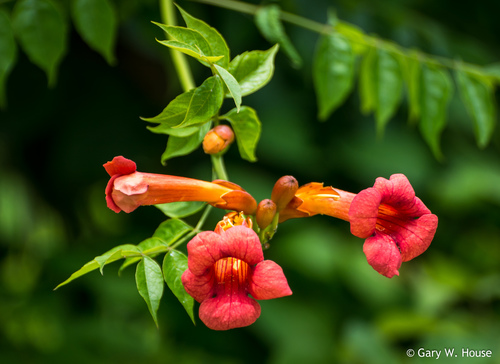
Tecoma is a genus of shrubs or small trees known for their showy, often yellow, trumpet-shaped flowers that can bloom year-round in some regions. They are highly valued in urban landscapes for their excellent drought and heat tolerance, though they are sensitive to frost and shade. The dense canopy provides dappled shade and attracts various wildlife.
Where it grows
Trees in each city's inventory, with the share of that city's named trees this species accounts for.
- 220.08%—1.0 in
No city in this list records planting dates for this species, so age is blank throughout.
Traits
- Form
- Broadleaf
- Foliage
- Deciduous
- Mature height
- 15–25 ft
- Canopy spread
- 15–20 ft
- Sun
- Full sun
- Water needs
- Moderate
- Drought tolerance
- High
- Wildlife value
- High
- Blooms
- Jan, Feb, Mar, Apr, May, Jun, Jul, Aug, Sep, Oct, Nov, Dec
Trunk diameters across every city: median 1.0 in, mean 1.1 in, 90th percentile 1.9 in. Measured at breast height, as published by each inventory.
Native range
Terrestrial ecoregions where this species is native. Trees in the dataset mostly stand well outside it.
Tropical & Subtropical Moist Broadleaf Forests
- Central American Atlantic moist forests
- Central American montane forests
- Costa Rican seasonal moist forests
- Leeward Islands moist forests
- Northwest Andean montane forests
- Southern Andean Yungas
- Western Ecuador moist forests
Tropical & Subtropical Dry Broadleaf Forests
- Central American dry forests
Tropical & Subtropical Coniferous Forests
- Central American pine-oak forests
Mangroves
- Mesoamerican Gulf-Caribbean mangroves
Other Tecoma in the catalogue
2 of the top 2,000 species are in this genus.
