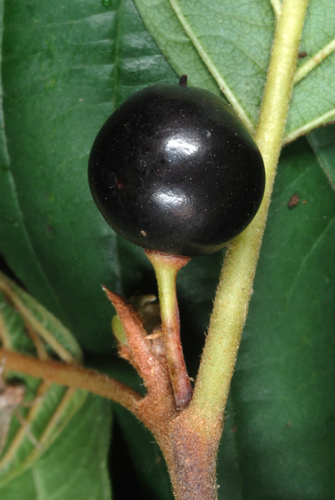
Alnus
Alder · also Alders, Italian alder, Alder of Corsica
Report an issue with this species
Alders are monoecious trees and shrubs distributed throughout the north temperate zone, with some species extending into Central America and the Andes. Alnus cordata, a deciduous species, is known for its wide-spreading branches, heavy shade-providing canopy, and heart-shaped leaves that turn yellow in the fall. This fast-growing pioneer species fixes nitrogen, improving soil fertility, and its cones attract birds.
Where it grows
Trees in each city's inventory, with the share of that city's named trees this species accounts for.
- 9180.08%—2.1 in
- 920.19%6.8 yr—
- 910.12%—5.9 in
- 620.01%8.8 yr3.1 in
- 570.03%—11 in
- 470.01%—3.9 in
- 390.01%—7.1 in
- 350.02%—5.5 in
- 240.01%—3.0 in
- 240.01%—5.9 in
- 150.01%—22 in
- 110.00%—2.4 in
- 70.01%—16 in
- 40.00%—3.5 in
- 40.01%—4.7 in
- 40.02%—6.5 in
- 20.01%—31 in
- 20.02%—3.9 in
- 10.00%—5.9 in
Traits
- Form
- Spreading
- Foliage
- Deciduous
- Mature height
- 40–50 ft
- Canopy spread
- 25 ft
- Growth rate
- Fast
- Wildlife value
- Moderate
- Blooms
- Mar, Apr, May
Trunk diameters across every city: median 3.1 in, mean 5.0 in, 90th percentile 11 in. Measured at breast height, as published by each inventory.
Native range
Terrestrial ecoregions where this species is native. Trees in the dataset mostly stand well outside it.
Temperate Broadleaf & Mixed Forests
- Balkan mixed forests
- Baltic mixed forests
- Caucasus mixed forests
- Central European mixed forests
- East European forest steppe
- Eastern Anatolian deciduous forests
- European Atlantic mixed forests
- Western European broadleaf forests
Temperate Conifer Forests
- Northern Anatolian conifer and deciduous forests
Other Alnus in the catalogue
18 of the top 2,000 species are in this genus.


