Tilia tomentosa
Silver linden · also Silver lime, Hungarian silver linden, White linden
Report an issue with this species
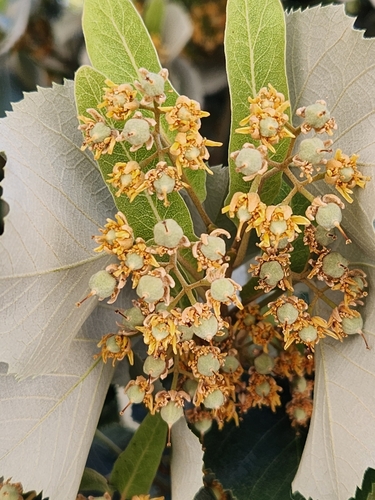
This tree features broad, heart-shaped leaves with silvery undersides, creating a shimmering effect. It provides dense shade and produces fragrant, pale yellow flowers in early summer that attract pollinators. Its deep root system and resilience to drought make it a suitable choice for urban environments.
Where it grows
Trees in each city's inventory, with the share of that city's named trees this species accounts for.
- 8,7821.2%—10 in
- 8,3611.9%57 yr16 in
- 7,7253.4%—13 in
- 3,3441.2%31 yr9.8 in
- 1,3650.41%4.4 yr2.0 in
- 1,3220.67%9.6 yr6.2 in
- 1,0490.09%—2.5 in
- 7240.62%19 yr4.0 in
- 4630.62%3.8 yr2.0 in
- 2550.34%—9.3 in
- 2020.07%—3.0 in
- 1901.6%—12 in
- 1830.12%3.2 yr2.0 in
- 1390.05%—2.0 in
- 760.48%3.6 yr4.5 in
- 590.12%8.8 yr—
- 430.02%—6.7 in
- 430.01%—3.1 in
- 390.03%1.6 yr3.0 in
- 100.01%—8.7 in
- 80.02%—5.5 in
- 30.01%—7.5 in
- 10.00%——
- 10.00%—5.5 in
- 10.00%—2.0 in
Traits
- Form
- Broadleaf
- Foliage
- Deciduous
- Mature height
- 40–50 ft
- Canopy spread
- 20–30 ft
- Water needs
- Low
- Drought tolerance
- High
- Roots
- Non-invasive
- Wildlife value
- High
- Blooms
- Jun, Jul
Trunk diameters across every city: median 11 in, mean 12 in, 90th percentile 23 in. Measured at breast height, as published by each inventory.
Native range
Terrestrial ecoregions where this species is native. Trees in the dataset mostly stand well outside it.
Temperate Broadleaf & Mixed Forests
- Balkan mixed forests
Mediterranean Forests, Woodlands & Scrub
- Aegean and Western Turkey sclerophyllous and mixed forests
Other Tilia in the catalogue
21 of the top 2,000 species are in this genus.


