#100 most planted
Crataegus
Hawthorn · also Quickthorn, Thornapple, May-tree
21,900
trees mapped
0.21%
of all named trees
29
cities
4.0 in
median trunk (10 cm, 19,117 measured)
Report an issue with this species
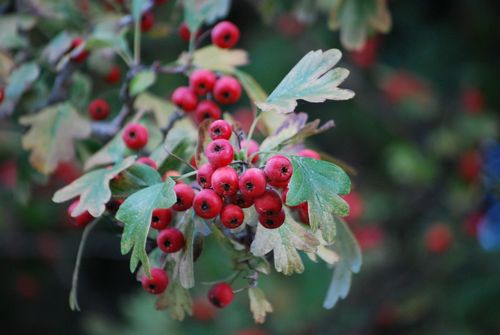
Crataegus, commonly known as hawthorn, comprises several hundred species of shrubs and trees native to the Northern Hemisphere's temperate regions. They provide high value to wildlife, attracting bees and birds. Many species are susceptible to diseases like fireblight and generally have medium water use.
Where it grows
Trees in each city's inventory, with the share of that city's named trees this species accounts for.
- 4,7020.89%—5.5 in
- 4,6780.41%—1.9 in
- 3,7450.52%—4.0 in
- 1,3740.29%15 yr5.5 in
- 1,3710.20%—3.1 in
- 1,3700.45%—3.0 in
- 7260.27%—6.3 in
- 5940.18%—7.1 in
- 4960.11%33 yr6.9 in
- 4410.14%—3.9 in
- 3300.67%42 yr2.8 in
- 2560.08%—3.9 in
- 2550.22%—7.0 in
- 2360.32%—2.0 in
- 2160.14%—7.9 in
- 1880.79%—3.9 in
- 1690.48%—10 in
- 1240.15%—5.9 in
- 1120.04%27 yr5.9 in
- 1100.06%—10 in
- 1050.05%—4.4 in
- 870.12%—4.7 in
- 650.09%—7.5 in
- 620.14%—2.0 in
- 420.09%—6.3 in
- 200.01%—4.4 in
- 200.17%4.8 yr4.0 in
- 50.03%—7.9 in
- 10.00%—1.6 in
Traits
- Mature height
- 10–15 ft
- Canopy spread
- 10–15 ft
- Wildlife value
- High
- Blooms
- Mar, Apr, May
Trunk diameters across every city: median 4.0 in, mean 5.4 in, 90th percentile 10 in. Measured at breast height, as published by each inventory.
Other Crataegus in the catalogue
29 of the top 2,000 species are in this genus.


