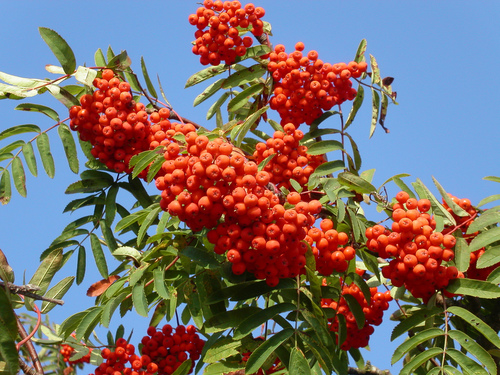
Pyrus
Pear · also Pears, Pyrus species, Callery pear
Report an issue with this species
Pyrus species are medium-sized trees, some growing as shrubs, known for their edible pome fruits and ornamental value. They typically feature a rounded canopy and produce white flowers in late winter to early spring. While some species are valued for their wood and fruit, certain cultivars, like the Callery pear, can be invasive and produce fruit that attracts birds.
Where it grows
Trees in each city's inventory, with the share of that city's named trees this species accounts for.
- 21,6521.9%—2.1 in
- 1,7200.25%—6.7 in
- 9130.60%15 yr7.9 in
- 5980.12%5.0 yr2.8 in
- 5190.10%—2.0 in
- 4781.1%—3.1 in
- 4101.7%—3.9 in
- 3680.11%—2.8 in
- 1440.05%—3.0 in
- 1100.05%—3.8 in
- 940.02%33 yr5.5 in
- 890.03%—2.4 in
- 850.03%3.0 yr3.1 in
- 620.03%—5.3 in
- 340.03%—3.0 in
- 330.07%32 yr—
- 240.01%18 yr5.9 in
- 230.02%11 yr4.8 in
- 170.04%17 yr5.5 in
- 150.01%—9.1 in
- 80.07%—4.0 in
- 70.01%—6.7 in
- 60.02%—2.0 in
- 40.01%—2.0 in
- 10.00%——
- 10.01%—13 in
Traits
- Form
- Broadleaf
- Mature height
- 30–50 ft
- Canopy spread
- 20–50 ft
- Growth rate
- Fast
- Water needs
- Moderate
- Wildlife value
- Moderate
- Blooms
- Feb, Mar, Apr
Trunk diameters across every city: median 2.5 in, mean 3.3 in, 90th percentile 6.1 in. Measured at breast height, as published by each inventory.
Native range
Terrestrial ecoregions where this species is native. Trees in the dataset mostly stand well outside it.
Temperate Broadleaf & Mixed Forests
- Baltic mixed forests
- Central Anatolian steppe and woodlands
- Central China Loess Plateau mixed forests
- Central European mixed forests
- East European forest steppe
- Eastern Anatolian deciduous forests
- Western European broadleaf forests
Temperate Grasslands, Savannas & Shrublands
- Central Anatolian steppe
Mediterranean Forests, Woodlands & Scrub
- Aegean and Western Turkey sclerophyllous and mixed forests
Other Pyrus in the catalogue
13 of the top 2,000 species are in this genus.


