Ulmus americana
Report an issueBy recorded trees in the inventory.
American elm · also White elm, Water elm, Swamp elm
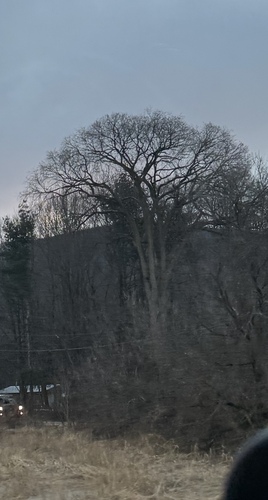
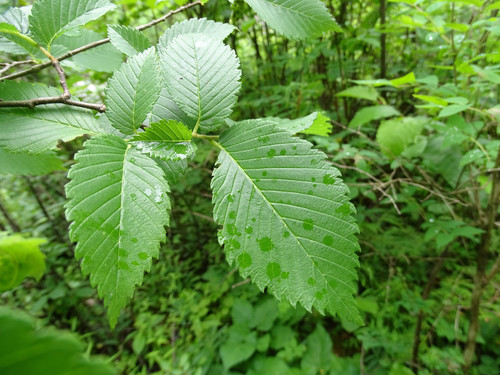
The American Elm is a stately tree with a broad, arching canopy, deeply furrowed grayish-brown bark, and leaves that turn yellow in the fall. Native to eastern North America, it was historically popular as a street tree due to its urban tolerance, though its populations were severely impacted by Dutch elm disease. It is a versatile species, thriving in various soil conditions and providing ample shade.
Traits
- Form & size
- FormBroadleafMature height50–60 ftCanopy spread50–100 ft
- Deciduous foliage
- Blooms
- Jan, Feb, Dec
- Lifespan
- 200 years
- Fast growth rate
- USDA zones
- 3–9
- Sun
- Full sun, Part shade
- Soil
- Well-drained, Clay-tolerant, Wet-soil-tolerant, Loamy
- Moderate water needs
- Moderate drought tolerance
- High pollution tolerance
- High wildlife value
Size sketches use the middle of each recorded range (or the available bound), beside a 6 ft person. Missing dimensions are illustrative.
Trunk diameters across every city: median 8.7 in, mean 12 in, 90th percentile 27 in. Measured at breast height, as published by each inventory.
Where it grows
Cities that list the tree in their inventory, and what % of their named trees it represents.
- 94,88019.3%13 yr8.3 in
- 71,94613.7%—7.1 in
- 41,95113.6%—18 in
- 18,7251.7%—9.0 in
- 14,4959.2%—9.1 in
- 9,4224.7%11 yr15 in
- 8,5791.2%—3.1 in
- 7,6592.4%—7.1 in
- 5,49912.3%19 yr20 in
- 5,0001.6%—27 in
- 4,0945.5%—15 in
- 3,6791.1%5.3 yr3.9 in
- 3,5841.7%—13 in
- 3,1170.64%10 yr6.1 in
- 2,5661.4%—25 in
- 2,2402.3%8.7 yr—
- 1,2541.5%—6.3 in
- 1,0331.8%—17 in
- 9492.5%4.6 yr3.5 in
- 8643.6%4.9 yr2.0 in
- 8530.51%2.0 yr5.0 in
- 7260.18%——
- 6670.36%—7.0 in
- 6040.22%—8.7 in
- 5531.2%—7.9 in
- 3360.68%—17 in
- 2800.18%—12 in
- 2582.1%12 yr6.0 in
- 1840.21%3.8 yr3.0 in
- 1691.5%8.3 yr3.9 in
- 1570.21%—6.7 in
- 1260.18%—12 in
- 900.09%—20 in
- 360.23%5.9 yr6.3 in
- 340.10%—15 in
- 330.00%—3.0 in
- 130.03%—2.0 in
- 110.18%—7.0 in
- 60.00%——
- 20.00%—4.4 in
- 20.00%—9.3 in
- 20.00%—2.0 in
- 20.01%—16 in
- 10.00%——
- 10.00%——
Native range
Ecoregions where the species is native.
Temperate Broadleaf & Mixed Forests
- East Central Texas forests
- Eastern Canadian Forest-Boreal transition
- Eastern Great Lakes lowland forests
- Mississippi lowland forests
- New England-Acadian forests
- Northeast US Coastal forests
Temperate Grasslands, Savannas & Shrublands
- Central US forest-grasslands transition
- Central Tallgrass prairie
- Central-Southern US mixed grasslands
Other Ulmus in the catalogue
28 of the top 2,000 species are in this genus.


