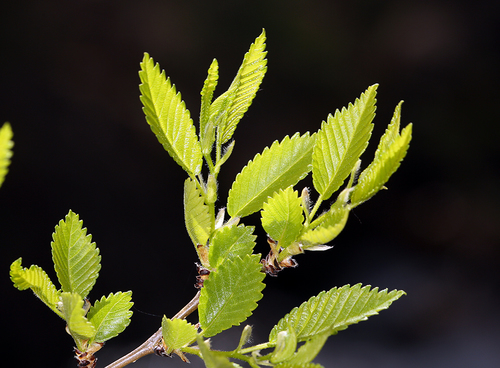
Ulmus pumila
Siberian elm · also Chinese elm, Manchurian elm, Littleleaf elm
Report an issue with this species
Ulmus pumila, also known as Siberian elm, is a deciduous tree native to Asia. It features dark green, double-serrated leaves and produces unshowy flowers followed by winged samaras. While resistant to Dutch elm disease and drought, it has weak branches, is susceptible to pests, and exhibits invasive root behavior, making it a challenging choice for urban landscapes.
Where it grows
Trees in each city's inventory, with the share of that city's named trees this species accounts for.
- 17,9995.9%—15 in
- 10,7723.5%—9.0 in
- 9,8311.4%—12 in
- 5,7081.7%—15 in
- 5,4651.2%36 yr18 in
- 3,7630.78%—14 in
- 2,3670.33%—15 in
- 1,7271.1%—11 in
- 1,4970.55%—9.4 in
- 1,3840.43%—13 in
- 8610.16%—16 in
- 7340.88%—7.9 in
- 7140.95%—13 in
- 4340.22%—17 in
- 3200.69%—11 in
- 2600.07%—16 in
- 2370.18%—18 in
- 2310.20%33 yr20 in
- 2290.13%—25 in
- 1550.07%—15 in
- 1090.46%—18 in
- 810.03%16 yr13 in
- 740.02%63 yr25 in
- 390.09%—27 in
- 300.09%—21 in
- 290.04%—9.3 in
- 180.15%6.8 yr4.0 in
- 170.15%—7.9 in
- 50.02%—3.0 in
- 30.02%—15 in
- 20.00%—22 in
- 10.00%—2.0 in
Traits
- Foliage
- Deciduous
- Mature height
- 50–70 ft
- Canopy spread
- 40 ft
- Water needs
- Moderate
- Drought tolerance
- High
- Roots
- Invasive
- Blooms
- Jan, Feb, Dec
Trunk diameters across every city: median 14 in, mean 15 in, 90th percentile 29 in. Measured at breast height, as published by each inventory.
Native range
Terrestrial ecoregions where this species is native. Trees in the dataset mostly stand well outside it.
Temperate Broadleaf & Mixed Forests
- Central China Loess Plateau mixed forests
- Central Korean deciduous forests
- Northeast China Plain deciduous forests
Temperate Grasslands, Savannas & Shrublands
- South Siberian forest steppe
Montane Grasslands & Shrublands
- Southeast Tibet shrublands and meadows
Other Ulmus in the catalogue
28 of the top 2,000 species are in this genus.


